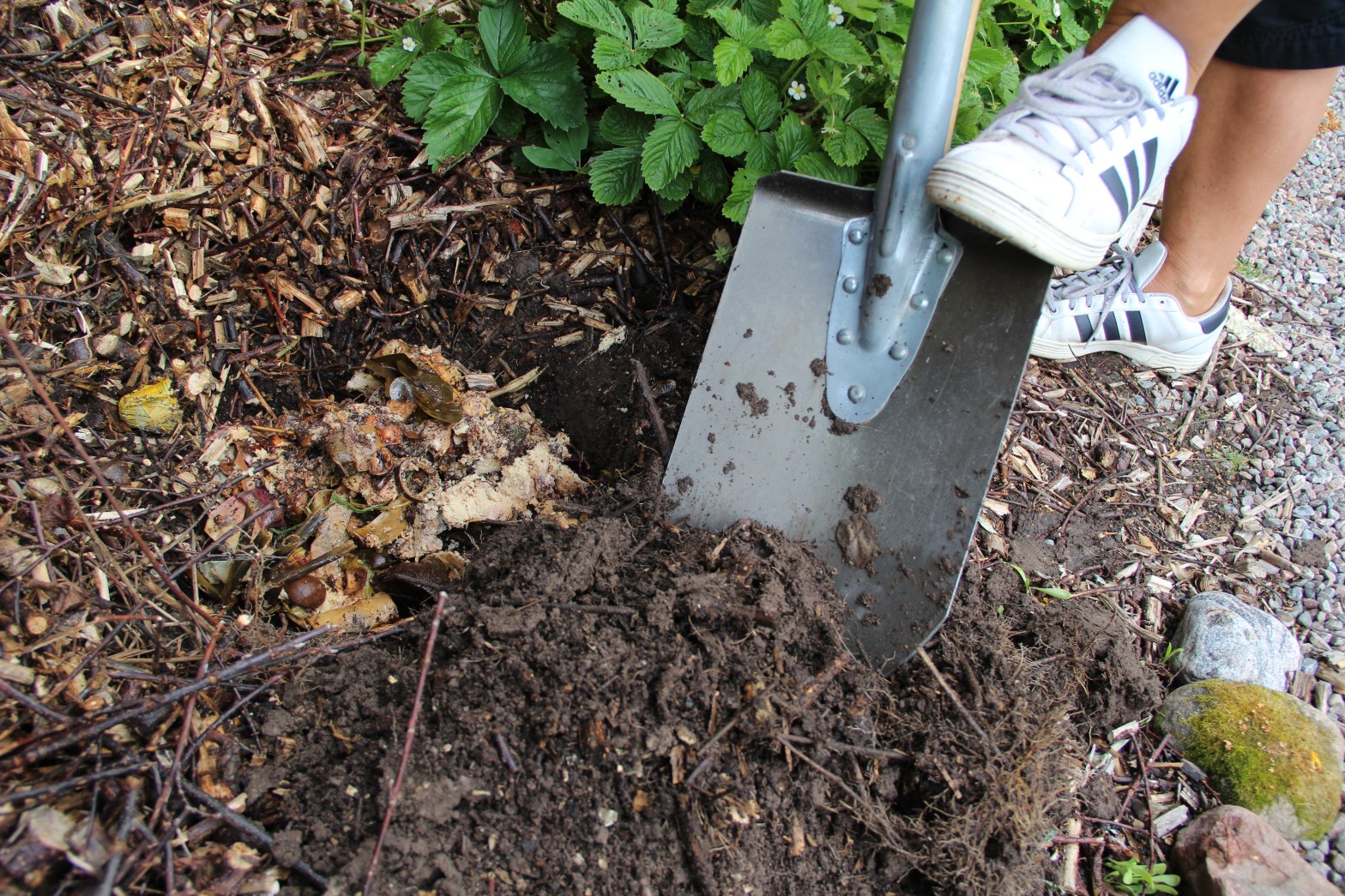
Bokashi is the ideal way to deal with kitchen compost, but what about all the other waste that comes out of a garden? The stuff that usually forms the base of your garden compost. Up to you, there’s no reason why you can’t do on having a traditional compost pile in some corner of theContinue reading “09. Can I use garden waste?”
Author Archives: Bokashi.se
08. How much bokashi?
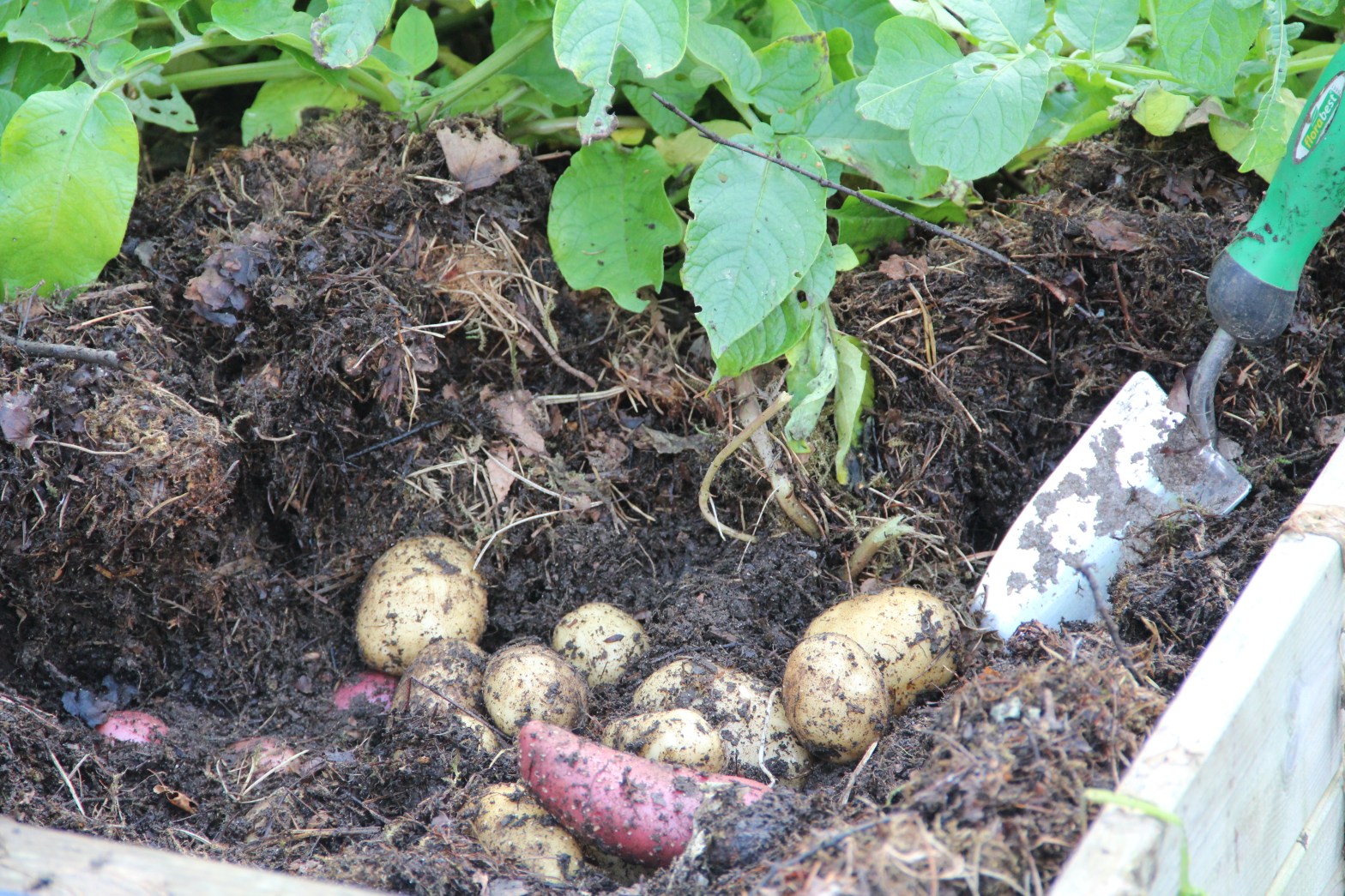
So, your bokashi has become soil. How strong is it and what can you plant in it? As a completely general rule of thumb, around one-third bokashi and two-thirds soil is a good guide for most plants. If you’re planning to plant rhubarb, pumpkin, or any type of demanding plant you might want to aimContinue reading “08. How much bokashi?”
07. Bokashi becomes soil
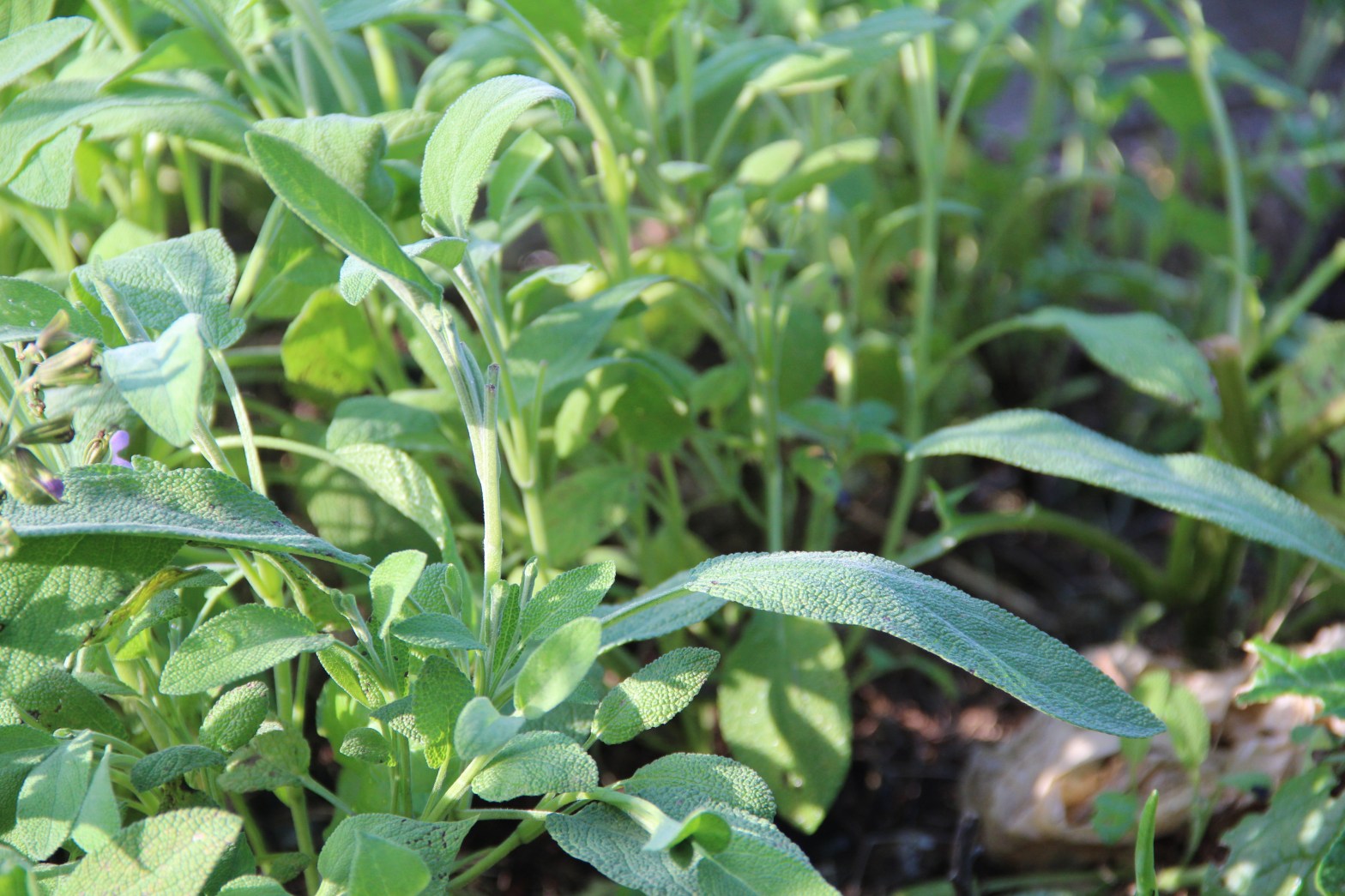
I’ve been doing bokashi for over ten years, but even so I like to poke around in my ”bokashi spots” now and then to see how they’re doing. They never cease to amaze me! Every time I find some bits of eggshell, or a slow-to-decompose tea bag or a bit of avocado peel or aContinue reading “07. Bokashi becomes soil”
06. Time to plant!
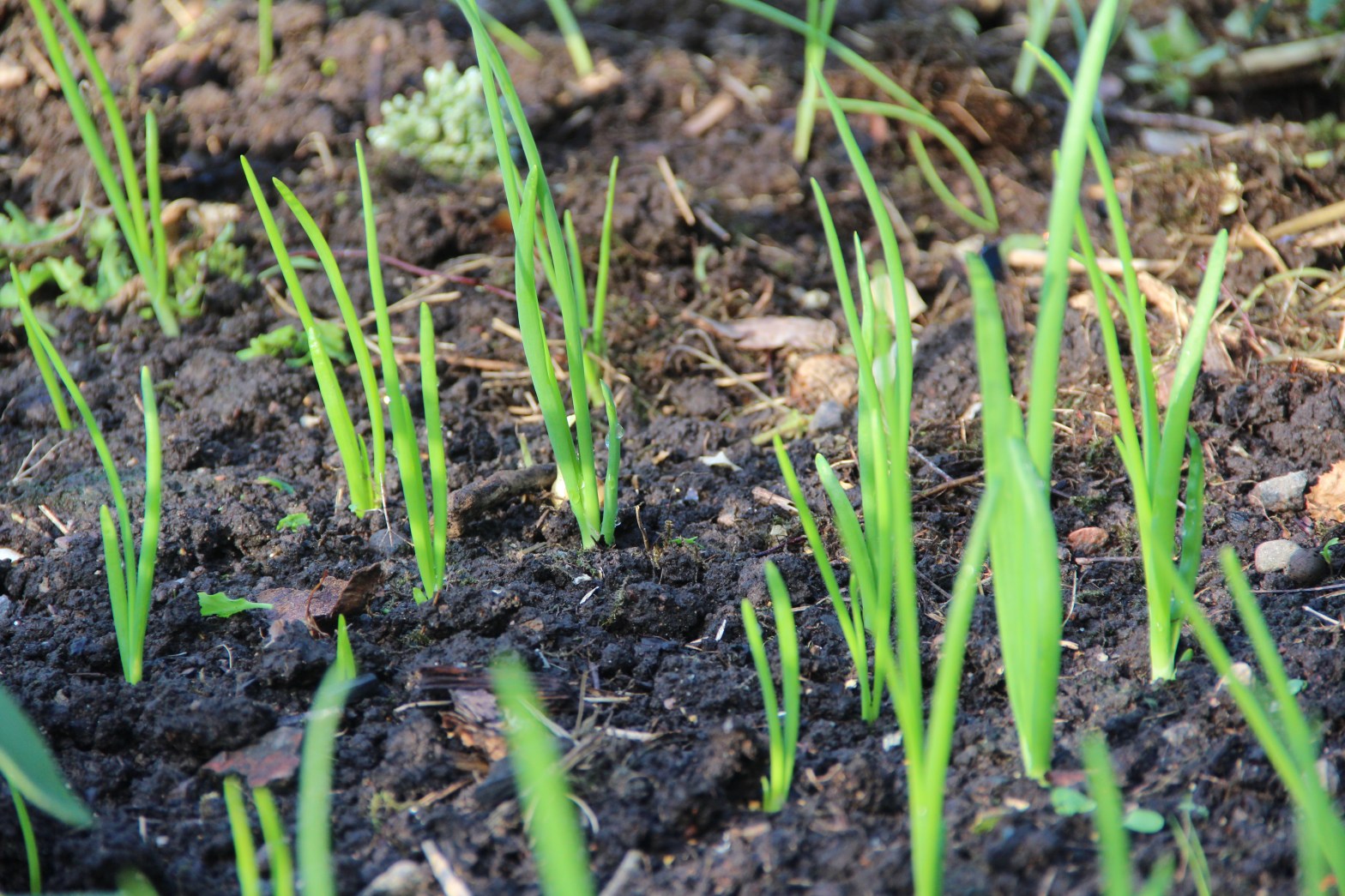
So, back to the process. You’ve dug down your bokashi and you’re ready to plant your garden. How and when? Rule of thumb: don’t let roots get in contact directly with bokashi the first two weeks it’s dug down. The reason is not that the bokashi is too strong, the plants can handle that, it’sContinue reading “06. Time to plant!”
05. Making soil!
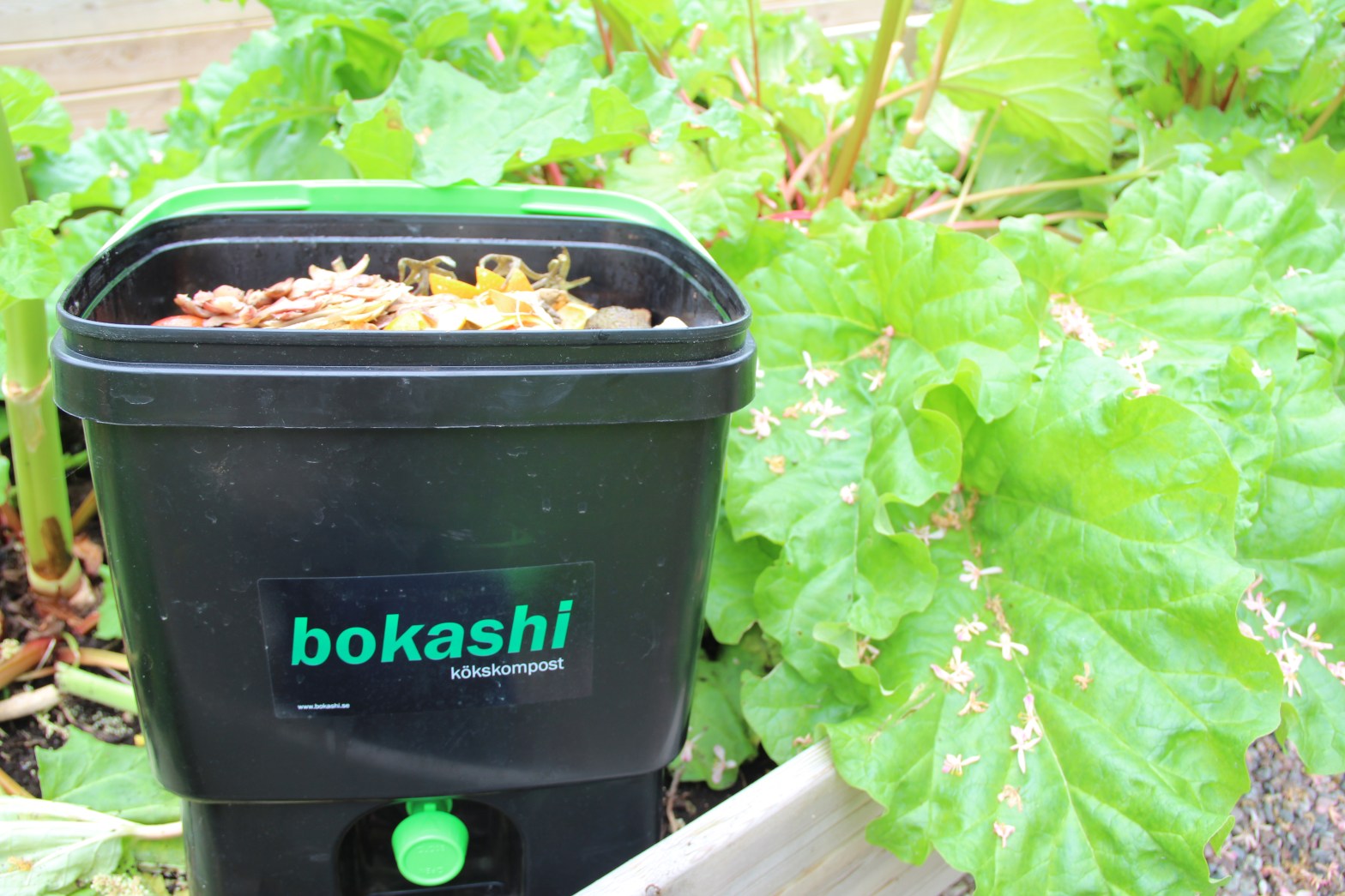
Step three Making soil of your bokashi. This is the most fun part! There are many, many different ways to go about this. What is best for you will depend on what type of gardener you are, how you live, what seasons you have, whether you grow mainly vegetables/annuals or flowers/perennials. How big your householdContinue reading “05. Making soil!”
04. Two weeks to ferment

Step two: Next step is an easy one! Just leave the bucket in peace and quiet to ferment for two weeks. There’s a good reason for this, read on and I’ll explain. So, once the bucket is full, the microbes need to do their work, multiply in numbers and prepare the food waste for becomingContinue reading “04. Two weeks to ferment”
03. Using newspaper

So, back to the paper. A half-newspaper or so in the bottom of the bucket, and another wad in the top is normally sufficient to soak up the liquid from a bucket of bokashi food waste. The problem with newspaper like this is that while it does a good job in the bucket, it tendsContinue reading “03. Using newspaper”
02. Filling your bucket
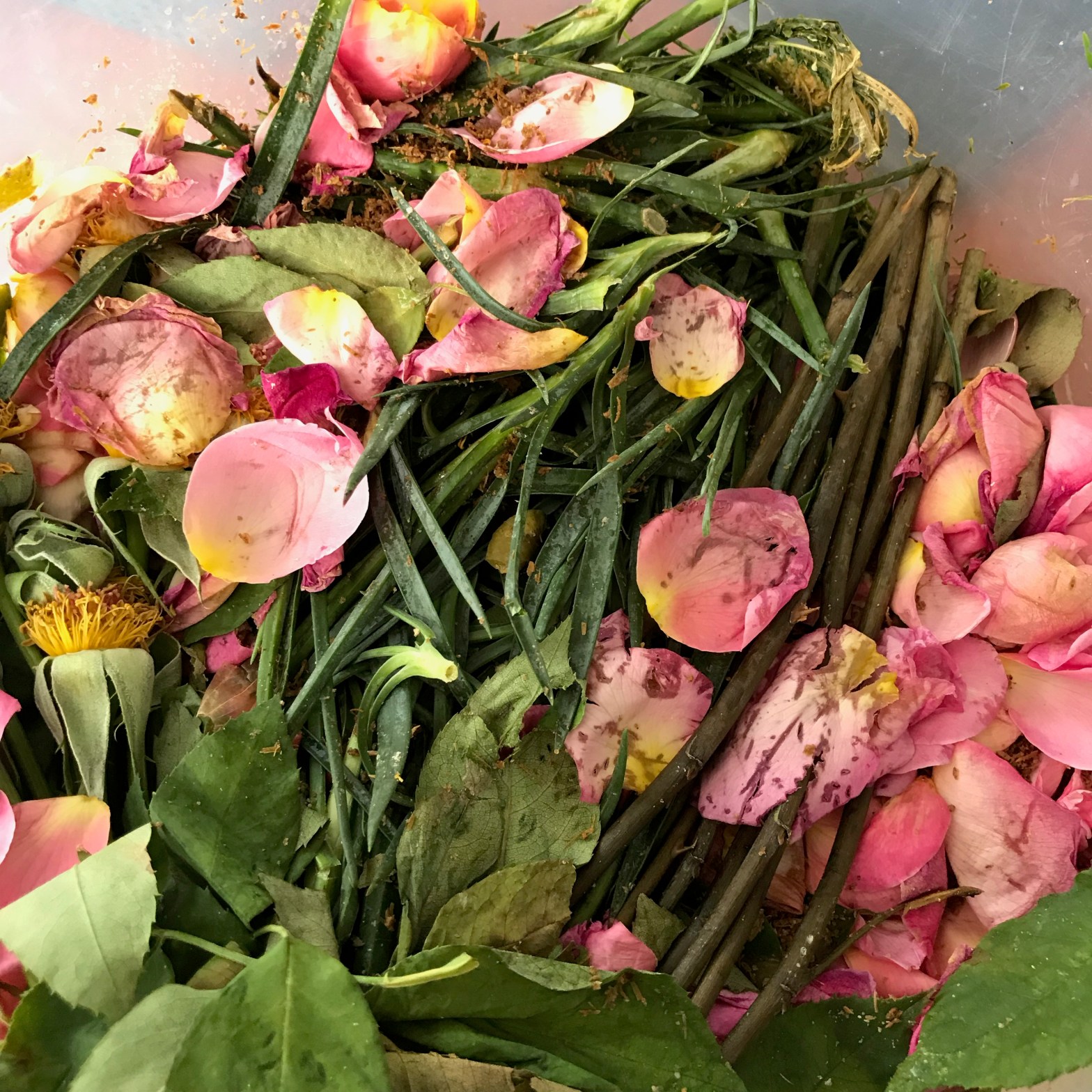
Bokashi is an incredibly flexible process. That’s why we all love it. One of the best parts is that more or less ALL types of food waste can go in your bokashi bucket. Cooked, uncooked, fish, meat, eggs and vegetables. So what are the important things to think of when you’re filling your bokashi bucket?Continue reading “02. Filling your bucket”
01. Get started with bokashi!
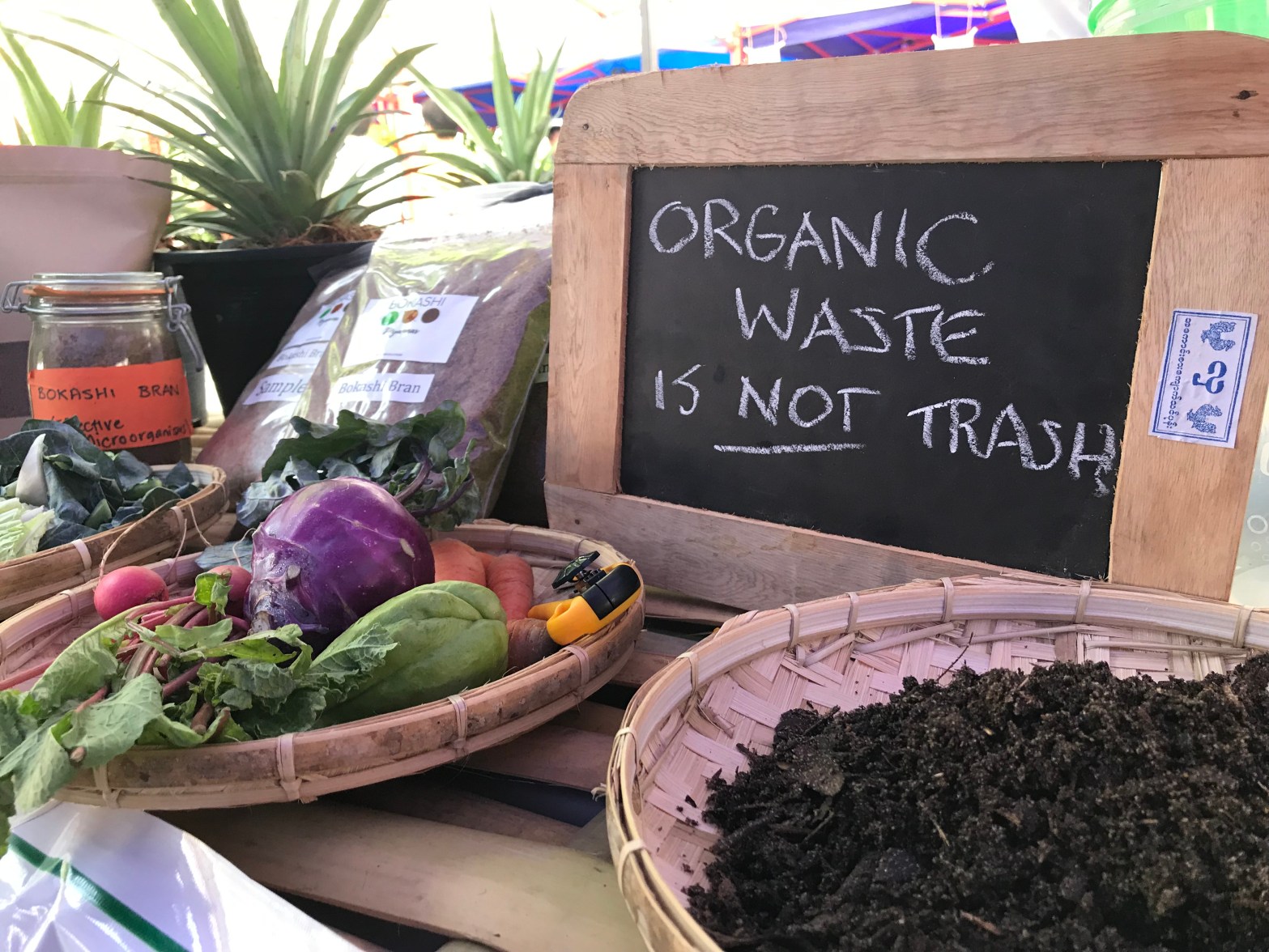
The most common question — ever — is What is bokashi? So let’s start with this. Bokashi is a new way of using kitchen food waste to make soil. Great soil. Healthy, living soil that’s full of microbes and nutrients. It’s the fastest way of making soil that I know about it. And even thoughContinue reading “01. Get started with bokashi!”
What is bokashi?
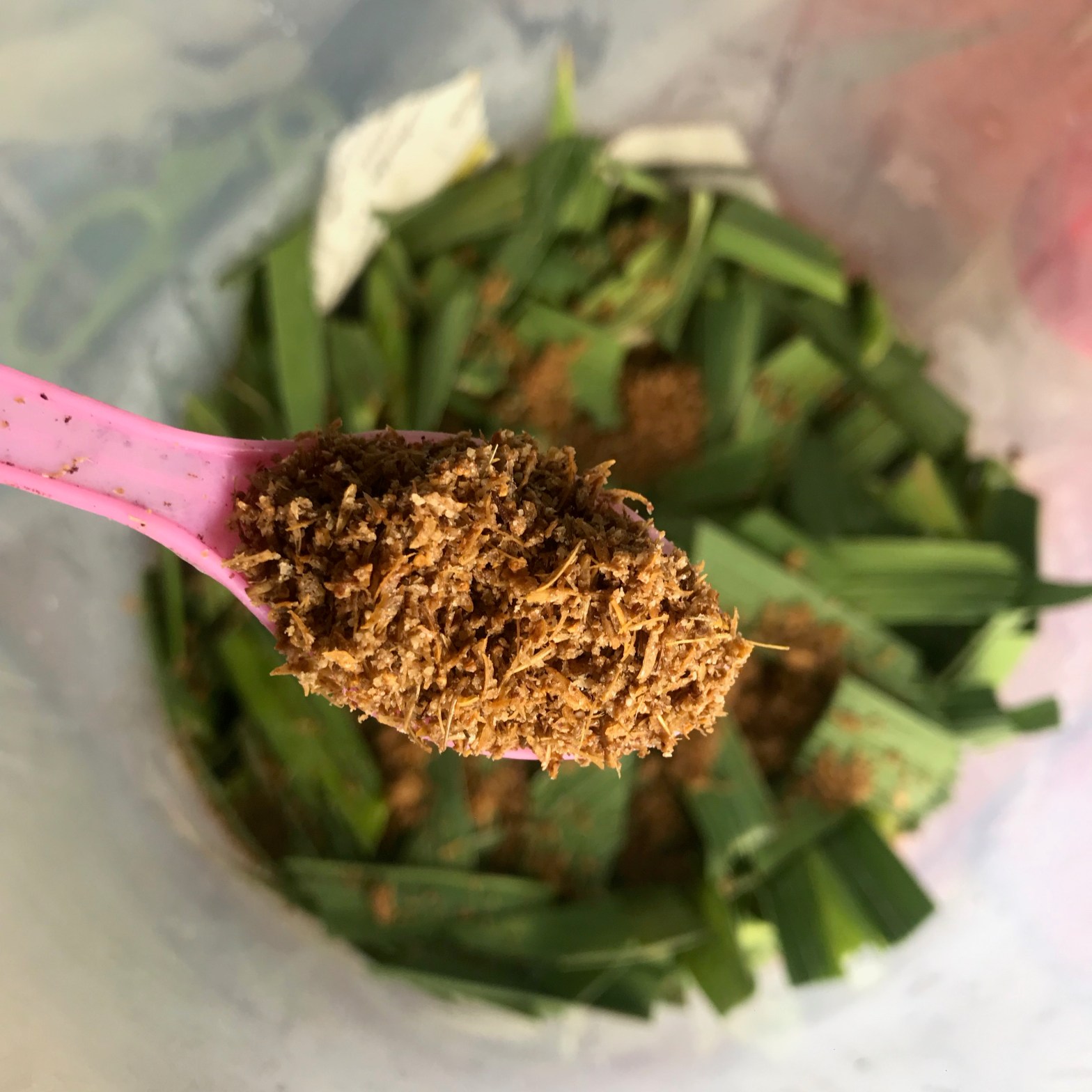
Bokashi is a great way of making rich, living soil out of everyday food waste. There are other types of bokashi used in other applications auch as agriculture, it’s a broad concept. But it always involves EM microbes, fermentation and organic material. Our focus here on this blog is on food and organic waste fromContinue reading “What is bokashi?”
 Bokashiworld